


Introduction
Choosing the right franchise can feel overwhelming, but it doesn’t have to be. By using career coaching techniques, you can streamline your franchise discovery process. Career assessments are powerful tools. They help align your skills, interests, and values with the right opportunities. Much like how they guide career seekers, these assessments can also illuminate your path to the ideal franchise. In this blog, we’ll explore how these techniques can lead to a fruitful franchise selection.
Understanding Career Coaching Techniques
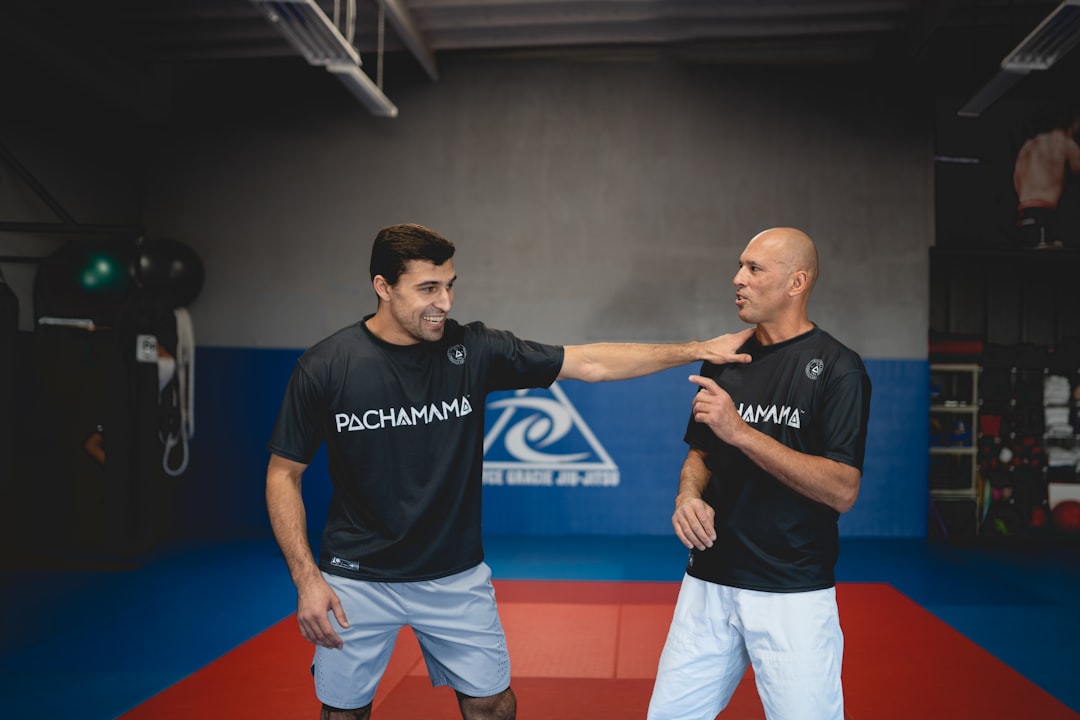 Image courtesy: Unsplash
Career coaching can play a crucial role in helping individuals find the right franchise. By applying methods used in career development, potential franchisees can identify opportunities that align with their skills and aspirations.
Overview of Career Coaching in Business
Career coaching in the business context focuses on guiding individuals to make informed career decisions. It involves understanding personal aspirations, strengths, and values to align with professional opportunities. The coaching process can be transformative, helping individuals to unlock potential and make strategic career choices that lead to long-term satisfaction and success.
Career coaching is not just about finding a job; it’s about personal growth and career development. It’s particularly relevant for entrepreneurs and those looking to invest in franchises, as the right match can make a significant difference in both personal fulfillment and financial success.
Key Techniques Used in Career Coaching
Career coaching employs several techniques to guide individuals in their professional journey:
– Self-Assessment: Helping clients understand their own motivations, values, and skills.
– Goal Setting: Assisting in setting realistic and achievable career goals.
– Action Planning: Creating a structured plan to achieve set goals.
– Skill Development: Focus on improving or acquiring skills necessary for career advancement.
– Feedback and Reflection: Offering constructive feedback and encouraging reflection on experiences and achievements.
These techniques are focused not only on immediate career decisions but also on long-term career planning. By applying these techniques to franchise selection, individuals can ensure they make choices that align with their personal and professional goals.
Benefits of Career Coaching for Entrepreneurs
Entrepreneurs can greatly benefit from career coaching, especially those considering franchise opportunities. Here are some of the key advantages:
– Objective Perspective: A career coach provides an outside viewpoint, offering insights and perspectives that might be overlooked.
– Increased Self-Awareness: Coaching helps entrepreneurs understand their strengths and weaknesses, leading to better decision-making.
– Enhanced Confidence: By identifying and working on skills and strengths, entrepreneurs gain confidence in their ability to succeed.
– Strategic Planning: Coaching aids in developing strategic plans that are aligned with personal goals and market opportunities.
These benefits can enhance the ability to find and select the right franchise, paving the way for success and satisfaction in the entrepreneurial journey.
Exploring Career Assessment Tools
Career assessment tools are valuable resources for assessing personal skills, interests, and values. They provide data that can help individuals make informed decisions about their franchise opportunities.
Purpose of Career Assessment Tools
The primary purpose of career assessment tools is to offer insights into one’s professional and personal attributes. They help individuals in:
– Identifying Interests: Understand what activities or industries naturally attract them.
– Understanding Personality Traits: Discover how personal traits influence work and communication styles.
– Recognizing Skills and Competencies: Evaluate the skills they possess or may need to develop.
– Defining Values: Highlight what professional aspects are most important to them, such as work-life balance, independence, or creativity.
These insights are invaluable in selecting a franchise that aligns with one’s profile and lifestyle expectations.
Types of Assessment Tools Available
A variety of career assessment tools are available, each serving specific purposes. Some common types include:
– Interest Inventories: Tools like the Strong Interest Inventory help individuals explore their interests related to careers and industries.
– Personality Assessments: Instruments like the Myers-Briggs Type Indicator (MBTI) provide insight into personality types and how they relate to work.
– Skill Assessments: These tools evaluate competencies and technical skills that may be required for specific franchises.
– Values Assessments: Tools such as the Values Inventory help identify what matters most in a work environment.
Selecting the right tool depends on the specific information needed to make an informed franchise decision.
How to Interpret Assessment Results
Interpreting assessment results is a critical step in leveraging these tools for franchise selection. Here’s how to approach it:
– Review Summary Reports: Begin with the summary provided by the tool, which highlights key insights and recommendations.
– Analyze Data in Context: Consider how the results align with current career goals and personal circumstances.
– Seek Professional Guidance: Consulting with a career coach or counselor can provide deeper insight into how to use the results effectively.
– Integrate with Career Planning: Use the findings to inform the search for a compatible franchise, ensuring alignment with personal strengths and career aspirations.
By effectively interpreting and using assessment results, individuals can make strategic decisions in choosing the right franchise opportunity. Employing these techniques will lead to a more informed and confident franchise discovery process, ultimately aligning career happiness with business success.
Applying Assessment Tools to Franchise Selection
When seeking the perfect franchise opportunity, leveraging career assessment tools can streamline the process. These tools, typically used in career coaching, provide invaluable insights that help align your strengths with potential franchise options, ensuring a match that supports personal and financial growth.
Aligning Personal Strengths with Franchise Opportunities
Career assessment tools shine in their ability to identify your unique skills and strengths. By applying these tools to franchise selection, you can match your intrinsic capabilities with the requirements of various franchises. Consider a scenario where an individual excels in communication and customer service. Their assessment results might suggest franchises in sectors like retail, hospitality, or education, where interaction and relationship-building are paramount.
Furthermore, these assessments can highlight areas of weakness that need attention before venturing into a particular franchise. For instance, if someone identifies gaps in financial management, they may choose a franchise offering comprehensive training and support in that area. This alignment of personal strengths and franchise demands fosters a better fit, increasing the likelihood of long-term success.
Identifying Key Criteria for Franchise Matching
Determining what you want out of a franchise is crucial. Begin by listing must-have criteria derived from your assessment results. These might include:
– Investment Level: Ensure the financial requirements align with your budget.
– Location Preferences: Consider the logistics and demographics of potential sites.
– Lifestyle Compatibility: Evaluate how franchise operations fit into your life schedule.
– Growth Potential: Look for franchises with strong market presence and expansion prospects.
Your criteria should serve as a checklist when researching franchise opportunities. By doing this, you ensure that the options you consider truly align with your values and goals, allowing you to focus on franchises that meet your established standards.
Examples of Successful Franchise Matches Using Career Tools
Understanding real-world applications of career assessment tools can be motivating. Take, for instance, John, a former office manager with a strong background in logistics and operations. After completing a career assessment, he identified a passion for the fitness industry paired with organizational strengths. This led him to purchase a logistics-oriented gym franchise, where his skills propelled the business to success. His story is a testament to the effective use of career tools in finding a fitting and flourishing franchise.
Another example is Sarah, who used personality assessments to recognize her aptitude for leadership and creativity. She matched well with a children’s art education franchise, where she has been able to leverage her talents to foster an engaging learning environment, resulting in a thriving business and happy customers.
The Role of a Career Coach in Franchise Discovery
 Image courtesy: Unsplash
Engaging a career coach can greatly enhance your franchise selection journey. Coaches bring a wealth of experience in aligning individual aspirations with viable business opportunities.
How Coaches Facilitate the Journey
Career coaches support you at every stage of your franchise journey. They help clarify your career goals, using powerful questions to uncover what truly drives you. With their guidance, assessments are chosen and interpreted to provide clear direction. They offer insights from the industry, reducing the overwhelming task of filtering through numerous franchise opportunities to those that best fit your profile.
Additionally, coaches act as accountability partners, ensuring you progress steadily and confidently. Their structured approach keeps the process on track and helps navigate potential setbacks or concerns that arise.
Tailoring the Franchise Search Process
A personalized approach is the hallmark of effective career coaching. Coaches tailor the franchise search to suit your unique profile and aspirations. They consider factors such as your professional history, financial readiness, and personal inclinations, crafting a customized roadmap for discovery.
This tailored guidance helps you understand the intricacies of franchising agreements and the day-to-day operations of different franchises. Coaches assist in designing a search strategy that blends personal desires with market research, leading to a well-informed decision-making process.
Case Studies of Franchise Owners Using Coaching Techniques
Consider the case of Mark and Lisa, a couple aiming to break into the restaurant industry. With the guidance of their career coach, they conducted thorough self-assessments. Mark’s expertise was in finance, while Lisa excelled in culinary arts and customer engagement. Their coach recommended franchise options that leveraged both their strengths. With combined insights, they selected a franchise that mirrored their skills and ambitions, resulting in a prosperous business that today boasts several outlets.
Similarly, Emma, a technology consultant, sought her coach’s help to transition into a franchise that suited her interest in technology and innovation. Through strategic assessments and ongoing coaching, she successfully identified and acquired a tech-based service franchise, using her skills to innovate and expand.
By integrating career coaching techniques and a personalized approach, franchise seekers increase their chances of selecting businesses that align with their competencies and aspirations, paving the way for successful and fulfilling franchise ownership.
Conclusion
In conclusion, applying career coaching techniques to franchise discovery can significantly impact your selection process. By utilizing career assessment tools, you can better understand your strengths, preferences, and goals. This understanding is crucial when identifying franchise opportunities that align with your career aspirations.
Take the time to assess your skills and interest areas. Match these with franchises that complement your profile. Remember, choosing a franchise is a substantial investment. Therefore, ensure that your choice aligns with both your personal and professional goals.